
2026/27 TRENDs in Mosaic Design

What are the key trends shaping the 2026 / 2027 season?
The world of mosaic design is entering a new era, where surfaces are no longer conceived as simple decorative elements, but as emotional and narrative tools capable of transforming spaces into immersive experiences.
The emerging trends for 2026 / 2027 are diverse in aesthetics and inspiration, yet they share one essential principle: the desire to give mosaics the role of storyteller. Materials, textures, colors, and reflections are no longer chosen merely for their visual impact, but for their ability to evoke emotions, create atmosphere, and establish a deeper dialogue between architecture and the people who inhabit it.
From natural materiality to layered color compositions, up to the rediscovery of soft metallic finishes and pearlescent reflections, mosaic becomes increasingly tactile, sensory, and expressive.
Let’s explore the most influential directions defining the future of contemporary mosaic design.
TREND Natural Materiality: The Return to Authentic Surfaces
One of the strongest trends dominating contemporary interiors is the growing desire for natural materiality. In an increasingly digital and hyper-connected world, people feel the need to reconnect with authentic sensations and organic environments, bringing the emotional comfort of nature into interior spaces. (Naturalia Collection)

As a result, decorative surfaces evolve into living materials: textured, imperfect, tactile, and deeply evocative. Mosaic embraces this evolution through finishes that celebrate irregularity, depth, and craftsmanship rather than industrial perfection.
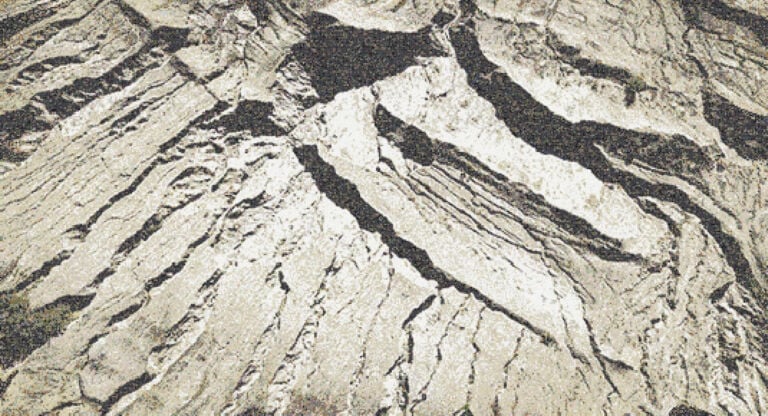

Neutral and earthy palettes become central: warm sands, mineral greys, clay tones, muted greens, and soft terracotta shades define interiors inspired by natural landscapes. Surfaces appear more spontaneous and organic, where controlled imperfection becomes synonymous with elegance and authenticity.
Collections characterized by shaded textures, matt finishes, recycled materials, and handcrafted effects perfectly interpret this aesthetic direction, transforming walls and floors into sensory landscapes rich in visual and tactile depth.
A practical example of a tactile and textured surface in the field of mosaic art is represented by matte tiles. Their finish gives the environment a natural and textured appearance, evoking the simplicity and, at the same time, the beauty of nature.
In this context, mosaic is no longer simply seen, it is experienced.

TREND Color as a Structural Element
Another defining direction for 2026 / 2027 is the transformation of color from decorative detail into an architectural element.
Color is no longer applied merely to enrich a space: it becomes the very structure capable of defining atmosphere, rhythm, and identity. Through mosaic, chromatic compositions acquire depth and dimensionality, shaping immersive environments where surfaces become emotional experiences.

A key concept within this trend is layering, the sophisticated layering of complementary tones, tonal gradients, transparencies, and contrasting hues. Layering allows color to behave almost like light itself, creating movement, reflections, and constantly changing perceptions depending on the viewing angle and illumination.

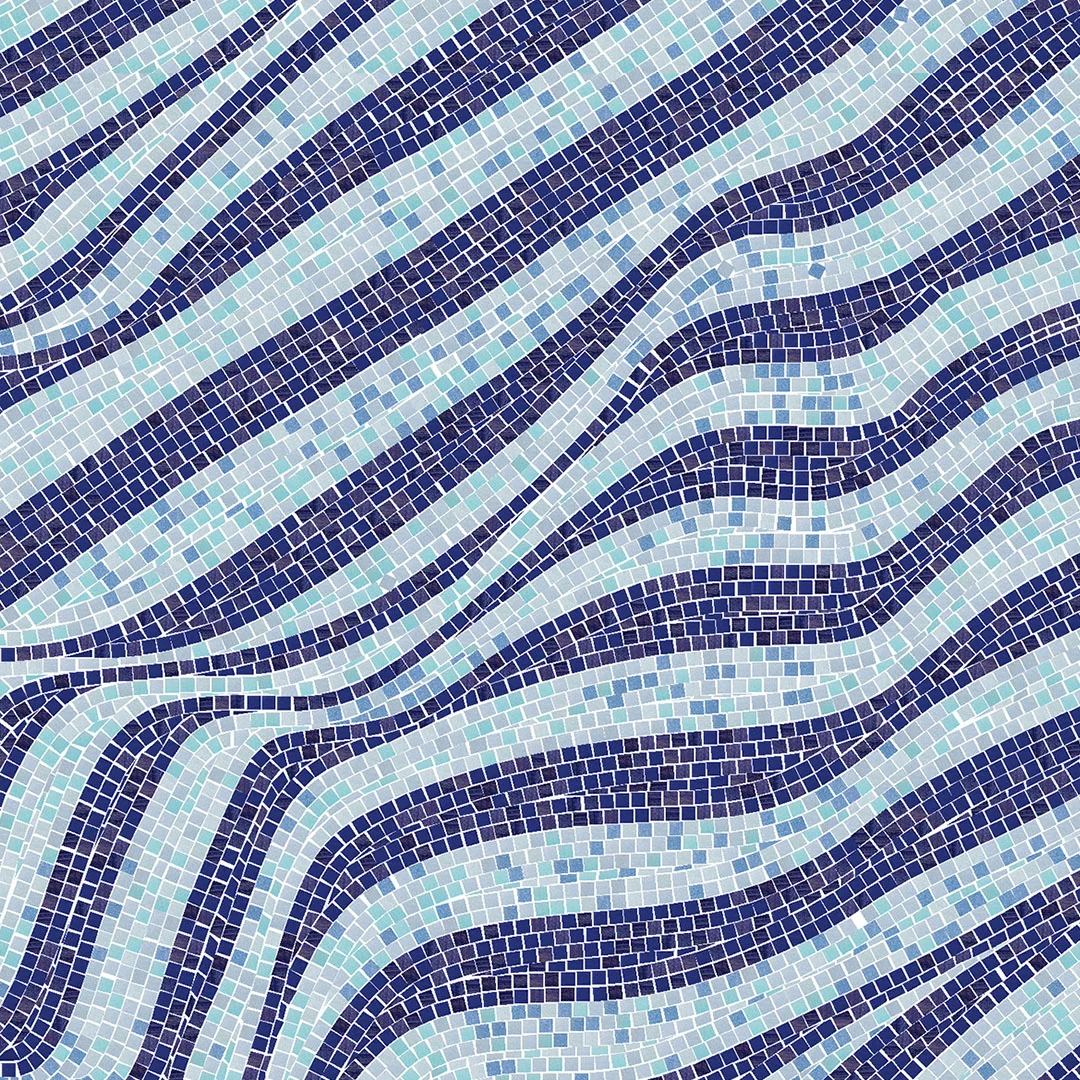

The result is an interior language that feels dynamic, sensorial, and deeply contemporary.
Glass mosaics become particularly relevant within this aesthetic approach, thanks to their ability to refract light and generate vibrant chromatic variations impossible to achieve with flat surfaces. Transparent finishes, iridescent effects, and overlapping shades create spaces that feel fluid and alive.
Rather than occupying a space, color begins to construct it.
TREND Soft Luxury: Metallic Reflections and Pearlescent Surfaces
Luxury itself is being redefined.
The bold metallic finishes that once symbolized luxury are gradually being replaced by softer metallic tones, pearlescent textures, and delicate reflective surfaces that communicate intimacy, refinement, and understated sophistication.

This new aesthetic, often identified as “Soft Luxury”, moves away from excess and embraces a more emotional, tactile, and atmospheric interpretation of elegance.
Champagne golds, brushed bronzes, smoky silvers, mother-of-pearl reflections, and iridescent finishes become protagonists of contemporary interiors, interacting with natural light in subtle and sophisticated ways.


In mosaic design, these surfaces create a unique dialogue between material and reflection. Depending on the angle of light, the surface continuously changes appearance, generating soft luminous vibrations that improve spaces without overwhelming them.
Pearlescent mosaics, in particular, introduce an almost ethereal dimension to interiors: refined yet discreet, luminous yet intimate. Their delicate reflections evoke the elegance of natural elements such as shells, minerals, and water surfaces.

This approach to luxury is no longer about visual excess, but about atmosphere, texture, and emotional perception. The result is a new form of contemporary prestige: quieter, warmer, and profoundly sophisticated.
Share

You might also be interested in
- Company News
- Product Updates

TREND’S New Digital Color Books Make It Easy
TREND is excited to introduce our latest tool which allows clients to see...
- Company News
- Product Updates
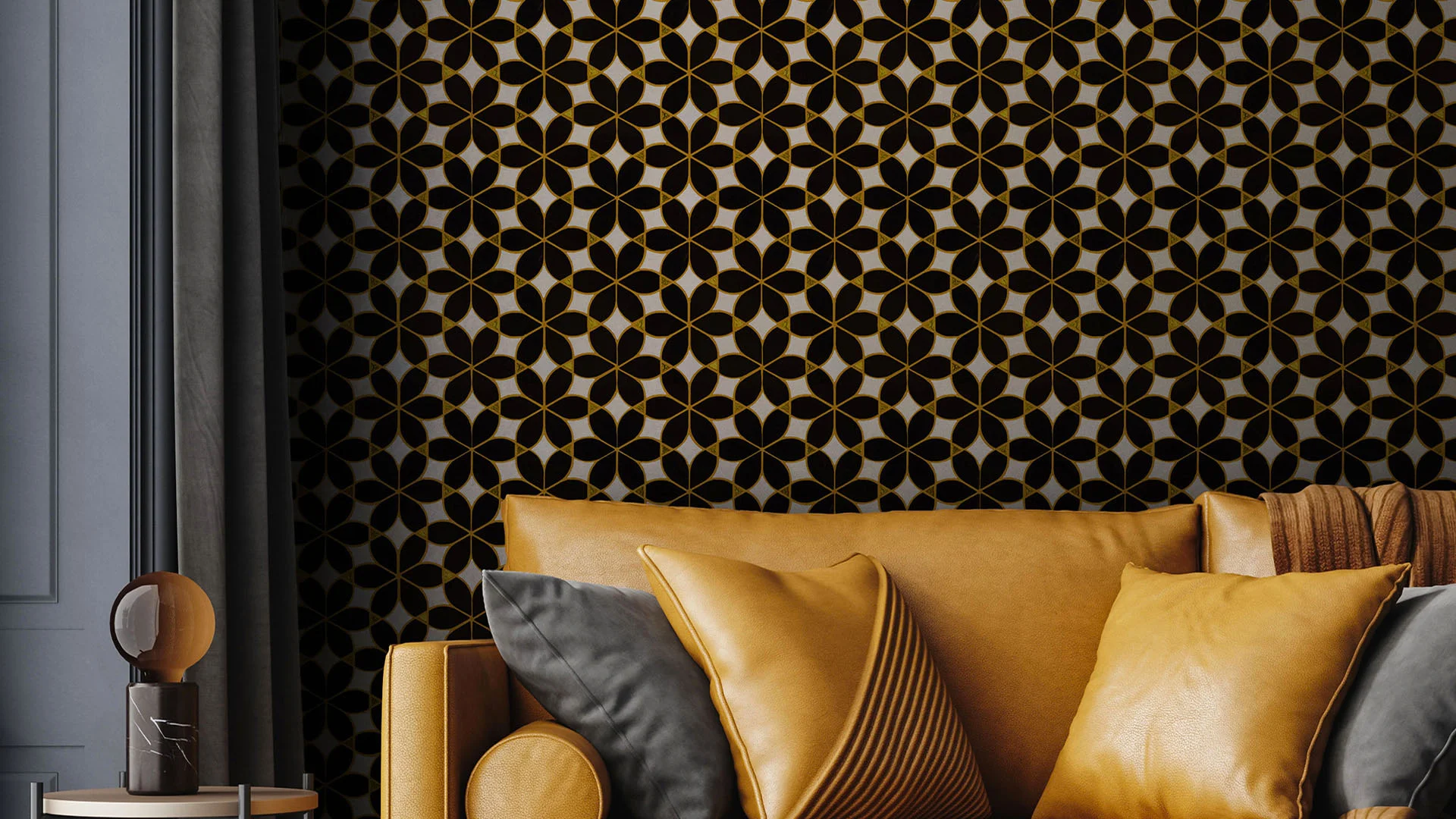
A New Collection of Luxury Glass Tiles
TREND Group is paving the way in the design world with its new...
- Product Updates
- Sustainability

Swimming In Luxury
Glass mosaics and swimming pools Glass mosaic and tiles and swimming pools seem...